
How to Get Dofollow Links Without Guest Posts (For Form Builders and SaaS) in 2026
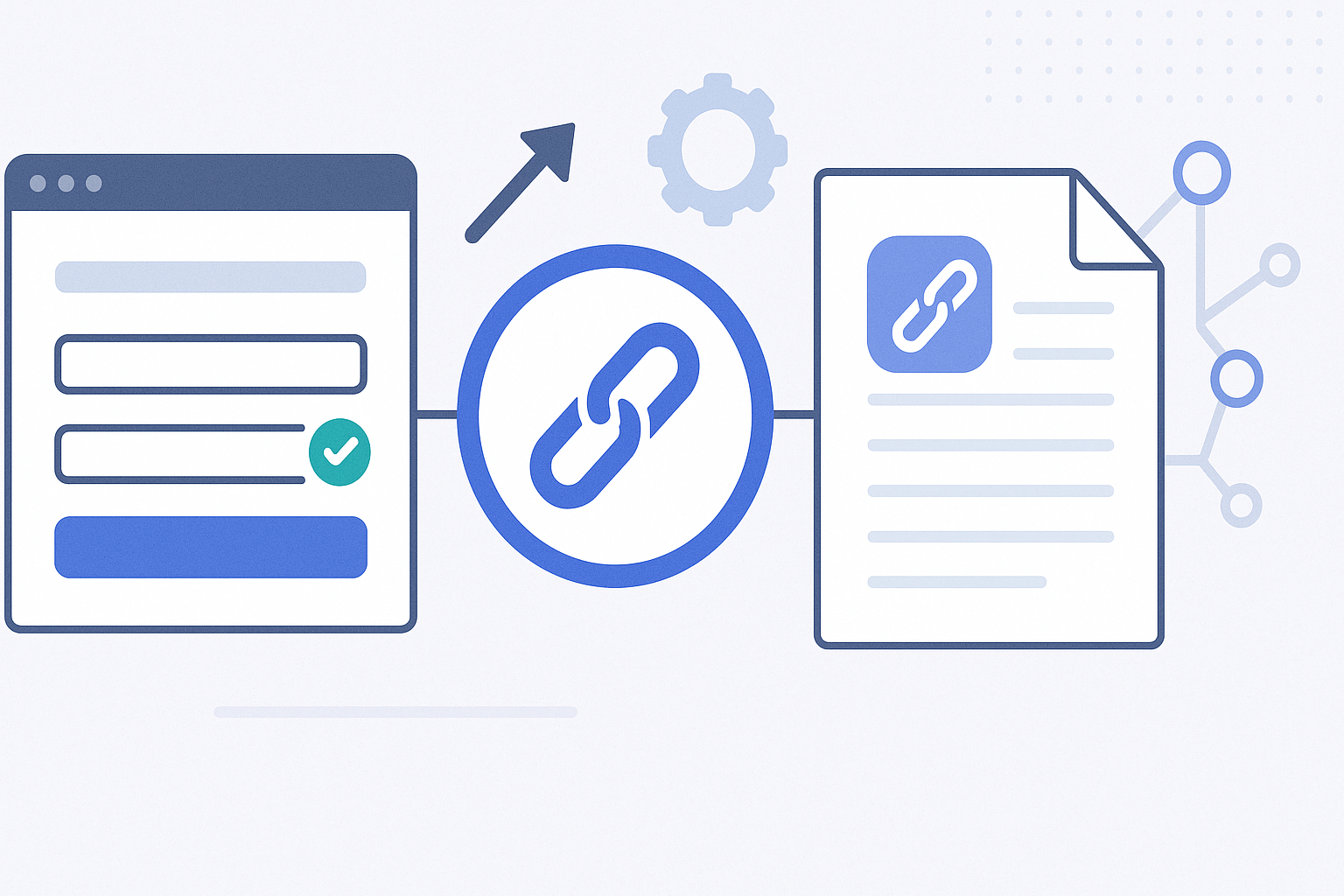
Dofollow links pass link equity to your site and help form builders and SaaS products rank. But you don’t need to rely on guest posts—many of which are low-quality or risky. You can get dofollow links through broken link building, unlinked brand mentions, resource page outreach, directory submissions, and linkable assets. This guide shows how to get dofollow links without guest posts in 2026, with tactics you can use for your form builder or survey tool. For a form builder that supports your content and launch strategy, see our best free form builder for surveys and AntForms free form builder. For templates and use cases, see form templates for surveys, lead gen, and events.
Why dofollow links matter (and why guest posts aren’t the only option)
Dofollow links tell search engines to pass “link juice” to your page. They’re one of the strongest SEO signals. Guest posting can work when the site is relevant and the content is genuine, but the landscape is full of “pay for placement” and thin content. So getting dofollow links without relying on guest posts means using tactics where you add value first: fix a broken link, complete a resource list, or claim an existing mention. These methods are white-hat, scalable, and a good fit for form builders and SaaS.
1. Broken link building
What it is: Find pages that link to broken (404) URLs, then offer your content as a replacement. The site owner gets a fix; you get a dofollow link.
How to do it:
- Use a broken-link checker (e.g. Check My Links, Ahrefs Site Explorer) on niche blogs or resource pages in your space (form builders, surveys, lead gen, SaaS).
- When you find a broken link that your guide, template, or tool could replace, email the site owner: “The link to [broken URL] on [page] returns 404. Our [resource] at [your URL] might be a good replacement for your readers.”
- Keep the email short; include the exact broken URL and your URL. One follow-up after 5–7 days is enough.
Why it works: You’re helping them fix a bad experience. Many will add your link. For more on building backlinks that move rankings, see how to build backlinks that actually move rankings.
2. Unlinked brand mentions
What it is: Your form builder or product is mentioned on another site but not linked. You ask the author to add a link.
How to do it:
- Set up Google Alerts (or a brand monitor) for your product name and founder name.
- When you find a mention without a link, find the author or editor (LinkedIn, site contact, Hunter.io).
- Email: “Thanks for mentioning [Product] in [article]. Adding a link to [specific page] would help your readers learn more.” Include the article URL and the exact URL you’d like linked.
Why it works: They already endorsed you in text; adding a link is a small step. Most dofollow links from unlinked mentions come from editorial content, so they pass strong value. For a system that ties links to outcomes, see link building strategy for founders.
3. Resource page link building
What it is: Find resource pages (“Best form builders,” “Survey tools for startups,” “SaaS resources”) and pitch your product or content for inclusion.
How to do it:
- Search Google for
intitle:"resources" form builder,"best form builder" list,"survey tools" roundup, etc. - Open pages that list multiple tools or resources; check if your form builder or a relevant guide fits.
- Email the owner: “I found your [resource page]. We built [Product] for [audience] to [outcome]. Would you consider adding us? Here’s our link and a one-line description.” Attach a screenshot or short blurb to make adding you easy.
Why it works: These pages exist to curate; if you’re relevant, you belong. Dofollow links from resource pages are common and often from decent-DR sites. For more on earning links, see how to get backlinks for a new website.
4. Directory submissions (curated only)
What it is: Submit your form builder to curated directories (startup lists, SaaS directories, product launch platforms) that give dofollow links and are indexed.
How to do it:
- Choose directories that are relevant (form builder, survey tool, SaaS), indexed, and moderated. Skip link farms.
- Use one strong description and 2–3 screenshots; treat each listing like a mini landing page.
- Track where you’re listed so you can update when you ship new features.
Why it works: Directory submissions are a foundation—they add referring domains quickly and support domain authority. For a case study, see directory submissions case study for form builder SEO.
5. Linkable assets (templates, guides, data)
What it is: Publish content others want to link to: free form templates, how-to guides, or small benchmarks (e.g. “We tested 50 forms—here’s what improved completion”).
How to do it:
- Create templates (e.g. NPS, event registration, lead capture) with a short “How to use” and a clear download or embed. Publish on your site.
- Write guides that are better than what’s ranking: more specific, more actionable, more up-to-date.
- When you have something link-worthy, mention it in broken link and resource page outreach: “Your page on X could use an updated resource—we have a 2026 template/guide here.”
Why it works: Dofollow links from editorial content pass the most value. Linkable assets give editors a reason to link. For more on improving authority, see improve domain authority with high-quality links.
What to avoid
- Don’t buy guest posts or “dofollow link packages” from low-quality networks—they’re against Google’s guidelines and can hurt your site.
- Don’t spam resource pages with generic pitches; personalize and show why you fit.
- Don’t over-optimize anchor text; use brand and natural phrases (e.g. “AntForms,” “this form builder”) most of the time.
Frequently asked questions
How can I get dofollow links without guest posting?
Use broken link building (offer your content as a replacement for broken links), claim unlinked brand mentions, reach out to resource page owners to add your link, submit to directory submissions, and create linkable assets (templates, guides) that others want to link to. These methods are white-hat and scalable for form builders and SaaS.
What is broken link building?
Finding pages that link to broken (404) URLs and offering your content as a replacement. Use a broken-link checker on niche blogs or resource pages; email the site owner with the broken URL and your URL. You get a dofollow link; they get a fix. Keep the email short; one follow-up after 5–7 days is enough.
What are unlinked brand mentions?
When another site mentions your brand or product but doesn’t link. Search for your brand name and ‘mention’ or use a tool to find unlinked mentions. Email the site owner and ask for a link to your site or a specific page. Many will add it since they already referenced you.
What are resource page backlinks?
Resource pages are curated lists of tools, guides, or links on a topic. Find resource pages in your niche (form builders, surveys, SaaS), check if your content fits, and reach out with a short pitch and your URL. Offer value (your template or guide) so you’re completing their list, not just asking for a link.
Do directory submissions give dofollow links?
Many curated directories (startup lists, SaaS directories) offer dofollow links. Choose directories that are indexed, relevant, and moderated. Use one consistent description and 2–3 screenshots. Directory submissions are a fast way to build a first layer of dofollow backlinks without guest posts.
Why avoid guest posts for dofollow links?
Guest posting can work when the site is relevant and content is genuine, but the landscape has many ‘pay for placement’ and thin content schemes. Broken links, unlinked mentions, resource pages, directories, and linkable assets add value first and are white-hat alternatives that scale for form builders and SaaS.
Conclusion
Key takeaway: You can get dofollow links without guest posts by using broken link building, unlinked brand mentions, resource page outreach, directory submissions, and linkable assets. Focus on value first—fix a link, complete a list, or offer a resource—and the dofollow links follow.
Try AntForms for forms and surveys with unlimited responses and webhooks. For more, read how many backlinks to rank on page 1, what is domain rating and why it matters, and how to build backlinks that move rankings.